

Read every new notice, finish opening cleanup, then verify each customer in the same order: ID, database, portrait and traits, interview, nightly clues, and special tools. Accept only after the evidence agrees; if a threat escapes, stop store work and switch immediately to barricades, traps, weapons, and cover.
The beginner route at a glance
Your first successful shift is not about making fast guesses. It is about building a routine that still works when the queue grows and later nights add news reports, vehicle checks, unusual tools, and hostile entities.
- Read the board, messages, and every new equipment card.
- Finish cleanup and restocking before opening the counter.
- Keep the scanner, computer, mop, bags, and defensive supplies easy to reach.
- Verify every customer in the same evidence order.
- Process the sale only after the identity check is complete.
- Clean and restock between customers when the floor is quiet.
- When the closing prompt appears, finish cleanup and leave for the bus.
- If an entity alert interrupts the shift, abandon the store routine and execute the defense plan.
1. Prepare the store before the first customer
Read the shift board before touching anything
Enter the store and inspect the Employee To Do notice. On the first shift it identifies three required jobs: remove the limbs from the storage room with trash bags, mop the blood, and refill incomplete shelves from stock boxes. Later shifts can replace these with different notices, news, deliveries, or warnings, so make reading the board your first action every night.
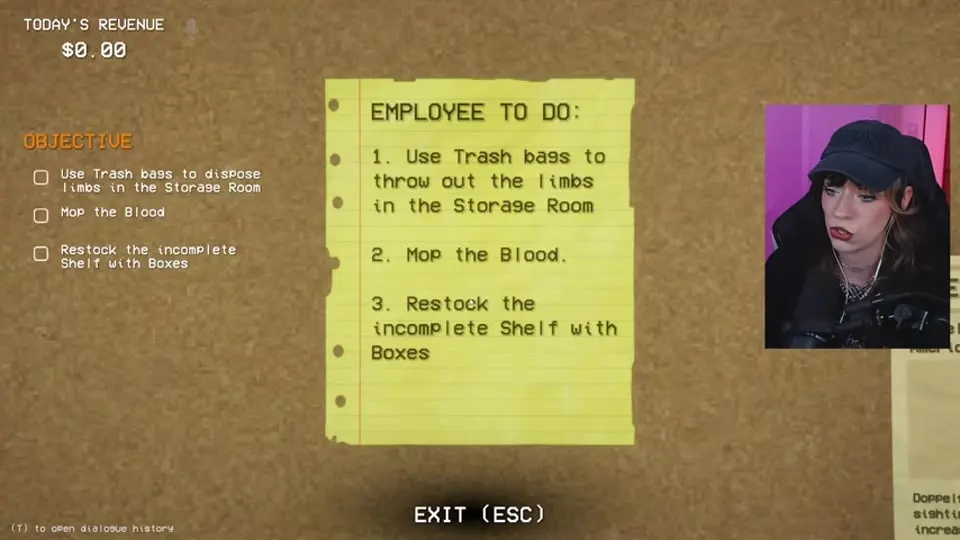
Do not rely on a previous run's memory; the visible notice is the checklist for the shift you are playing.
Mop until the objective updates
Pick up the mop and hold the clean input over each blood patch until it disappears. Check both the sales floor and storage area. A small remaining patch can keep the objective active, so do not drop the mop after one quick pass—watch the task list for confirmation.
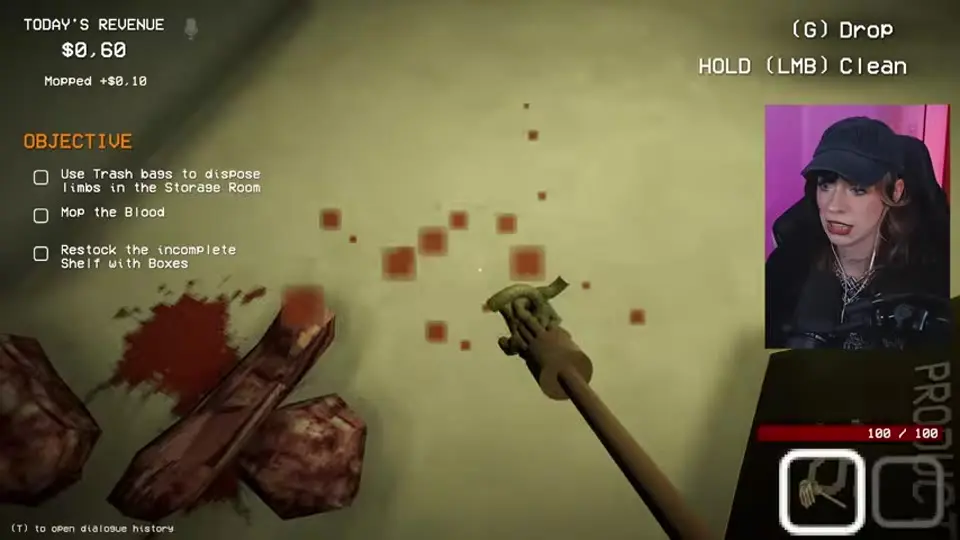
The objective update is a better completion check than judging the floor from a distance.
Bag every piece and finish the dumpster trip
Take a trash bag into the storage room, collect the body parts, and carry the filled bag to the marked dumpster outside. Picking up the pieces does not finish the job by itself. If the task remains, check the room corners for a missed piece and make another trip.
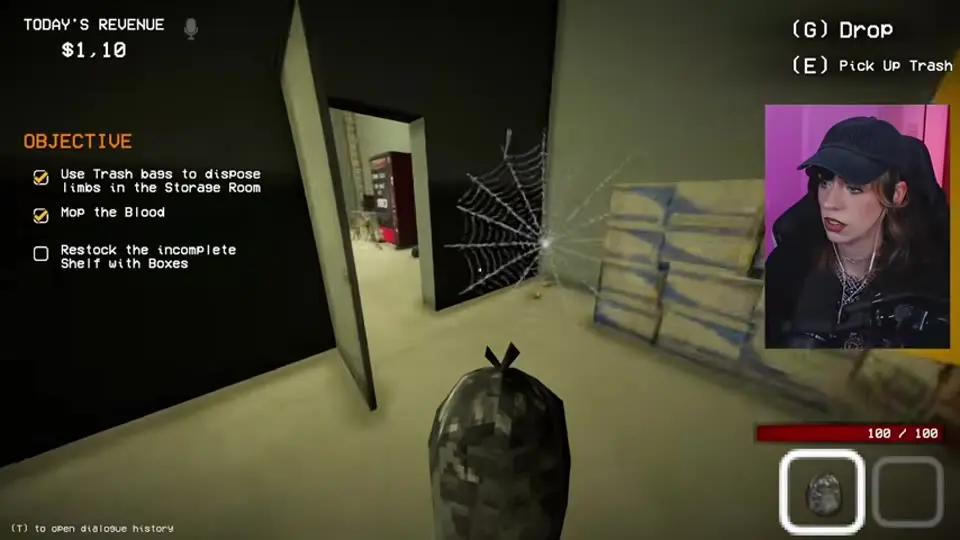
A filled bag left inside still counts as unfinished cleanup.
Fill the visible gaps in every shelf
Carry stock boxes to the incomplete shelves and place products until the gaps are filled and the restock task clears. Customers remove products during the shift, so make a short shelf pass between transactions instead of waiting until the end. This protects revenue and keeps a routine job from colliding with an investigation or attack.
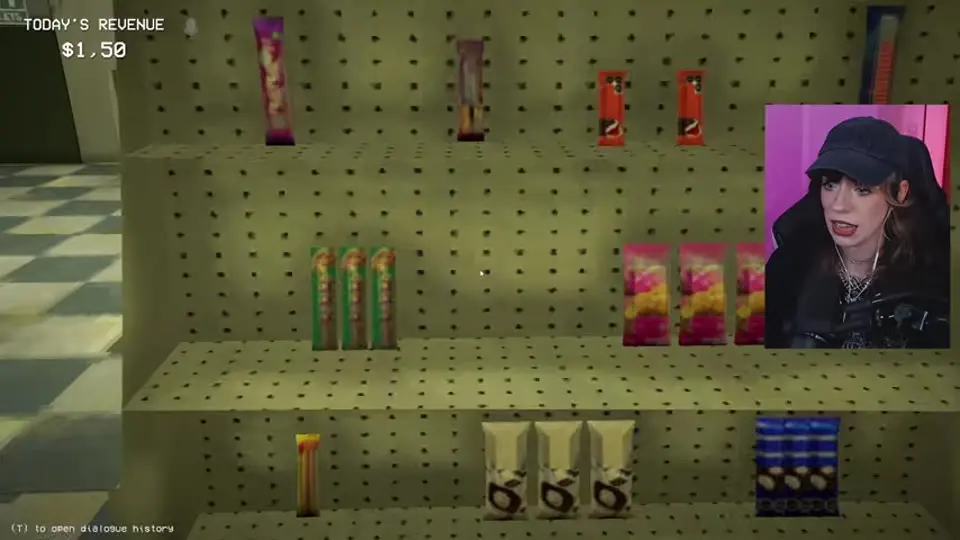
Finish the opening stock pass before the queue forms, then top up only during safe gaps.
2. Learn the evidence system before making a judgment
Treat the computer as the verified baseline
Read the customer-interrogation protocol near the counter. Its core rule is stable across the recorded playthroughs: the computer database contains the verified information for the real person. The customer, ID, answers, appearance, and later nightly clues must be checked against that baseline.
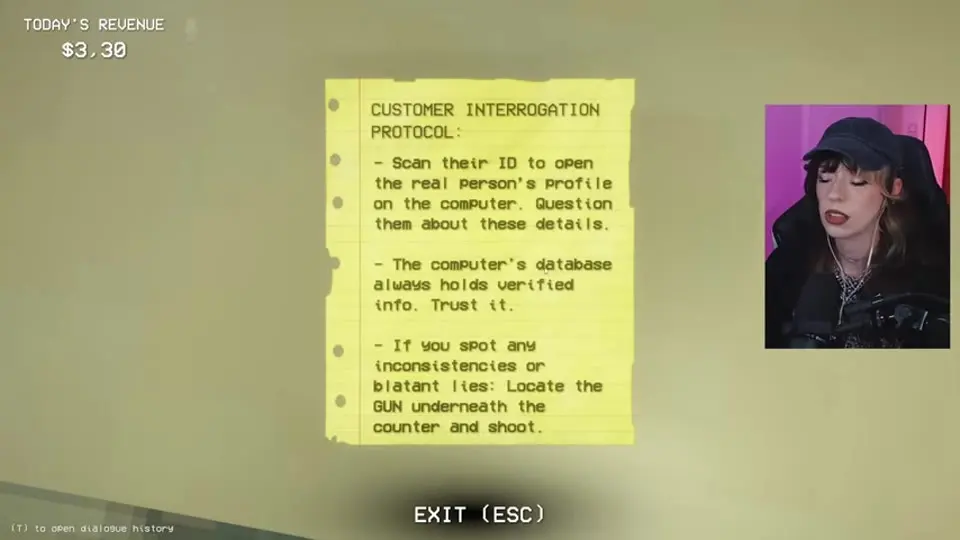
The protocol teaches comparison, not intuition: find a specific inconsistency before acting.
Use this order every time:
- ID: inspect the card and scan its barcode when possible.
- Database: open the matching record and confirm status, name, age, occupation, address, signature, portrait, and descriptive notes that are available.
- Appearance: compare the person with the portrait and the profile's visible traits.
- Interview: ask about the field or behavior that does not line up.
- Shift evidence: apply tonight's news, messages, vehicle information, or special-tool result when relevant.
- Decision: accept only when the chain agrees; remove a threat only after a clear contradiction is confirmed.
Scan first, then read the full profile
Place the ID where the barcode scanner can read it. A successful scan identifies which profile to inspect; it does not prove that the person holding the card is human. During the tutorial, complete every prompted question before trying to finish the transaction.
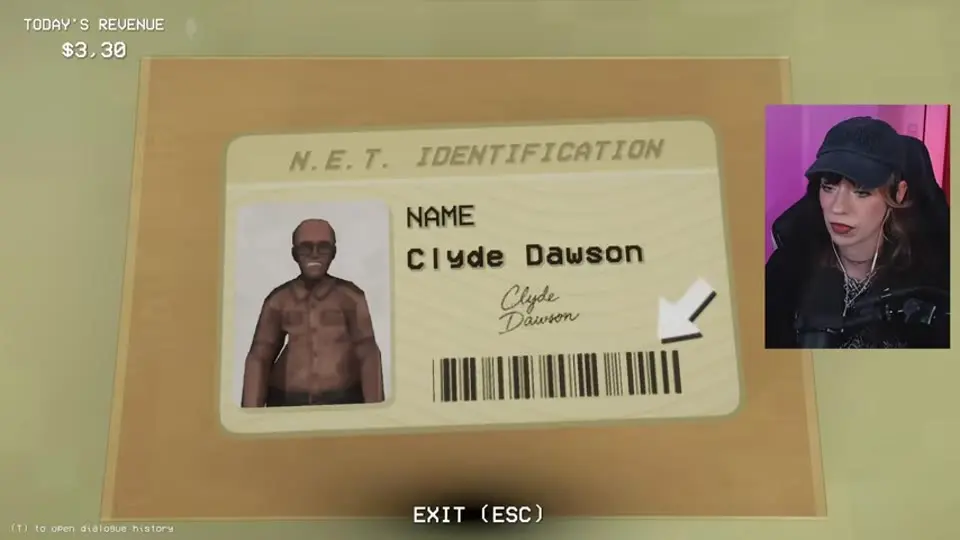
Scanning opens the investigation; it is not the final verdict.
Keep the counter arranged so the customer, ID, scanner, and computer can be compared without wandering around the store. Read the profile from top to bottom and say each field aloud in co-op. A teammate can catch a date, occupation, or visual detail that the counter player missed.
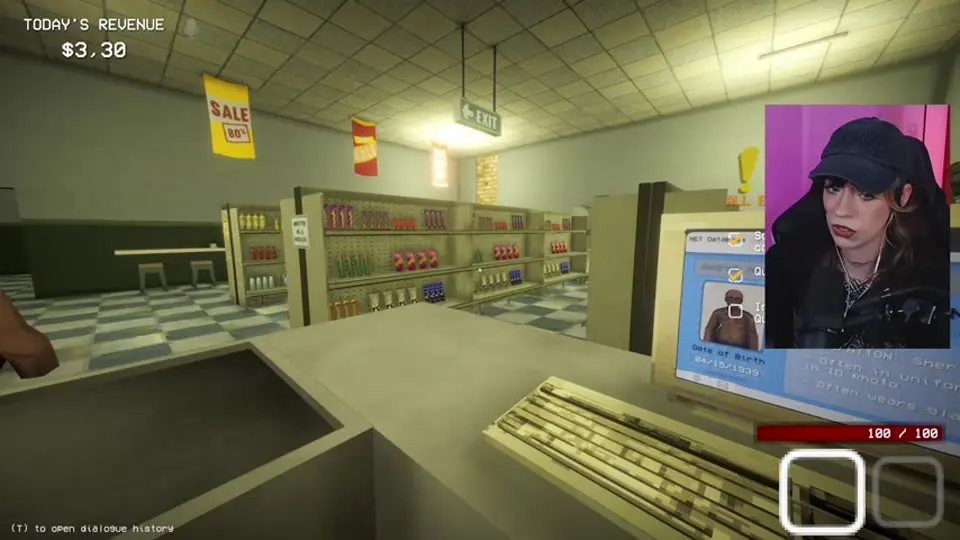
A fixed reading order prevents one convincing answer from distracting you from another mismatched field.
Question optional traits instead of guessing
Profile wording matters. A note that someone often wears glasses does not mean the glasses must be present on every visit. Ask about the missing item and compare the explanation with the rest of the record. Strange speech, awkward movement, impatience, or unusual appearance should trigger a closer check, not an immediate shot.

Optional traits can be absent; a direct conflict is stronger than a vague suspicion.
3. Resolve hard cases without breaking the routine
Manually search an ID that will not scan
If a card has no readable barcode, type the customer's full name into the database instead of accepting the card or guessing. In a verified first-shift example, a manual search for Nathan Callaway returned Deceased. That status directly contradicted the living customer at the counter and supplied decisive evidence.
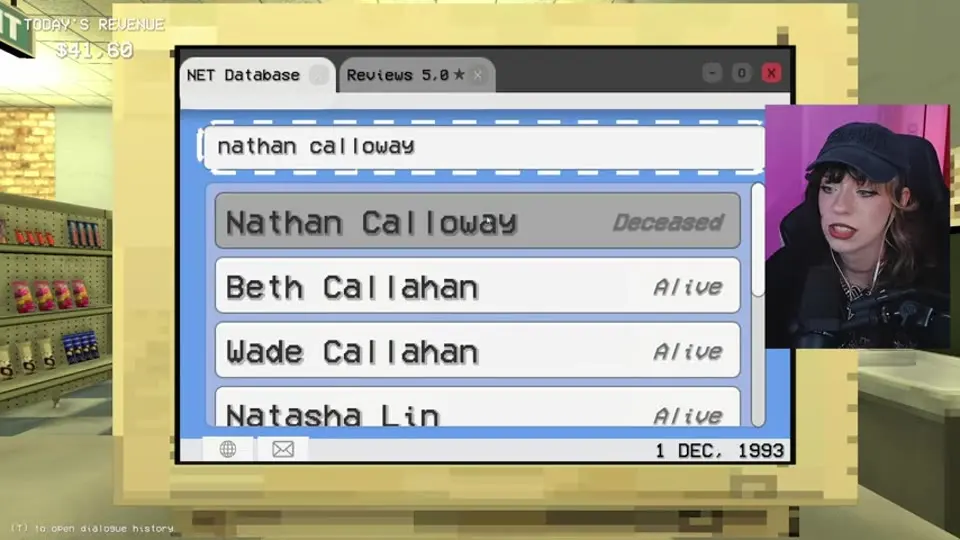
A failed scan changes the lookup method; it does not remove the need for a verified record.
Prefer one provable mismatch over several impressions
An occupation conflict is a useful model. In one verified case, the person claimed to be a flight attendant while the database listed plumber and described work-related dirt. The claim, clothing, and record could not all be true. That is actionable evidence. By contrast, another visibly unusual customer matched the record and answers and had to be accepted.
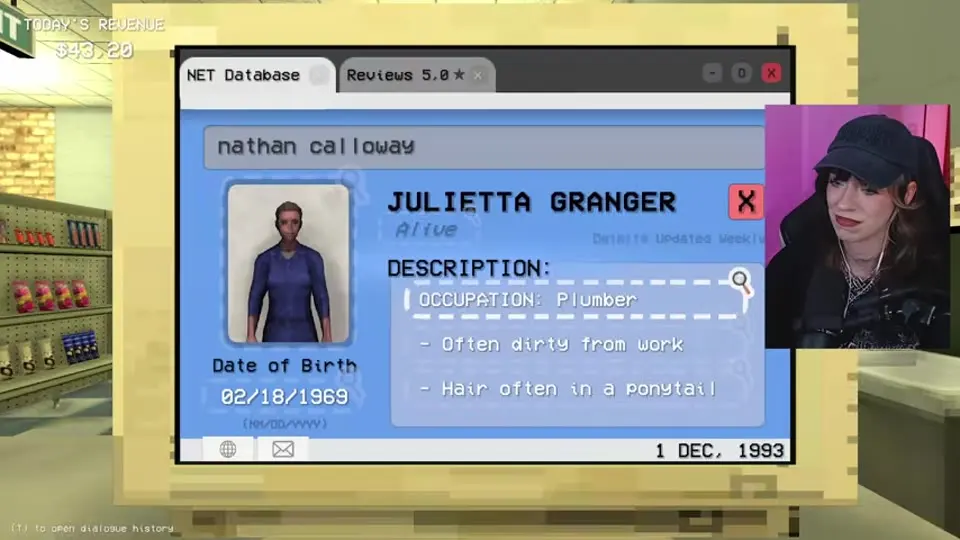
Name the exact contradiction before making the final decision.
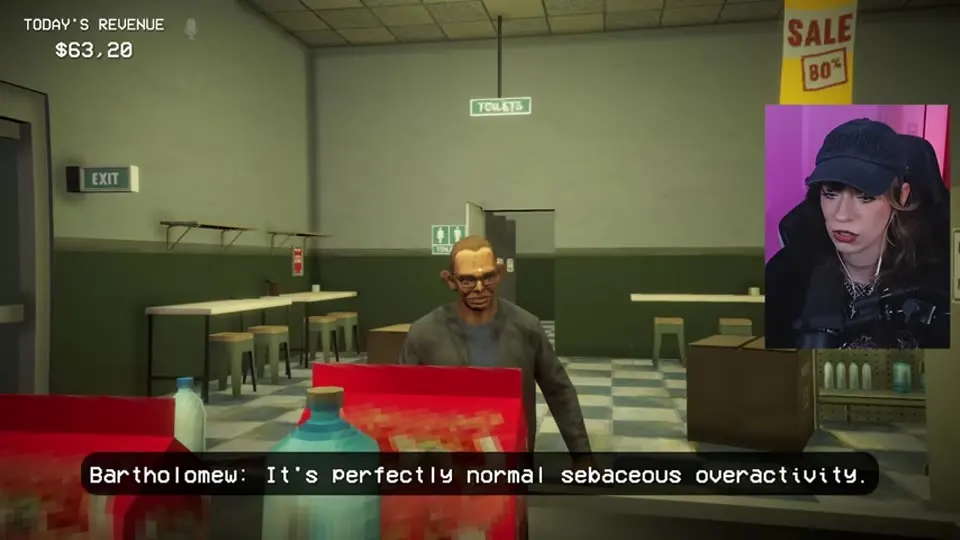
Demeanor is a reason to investigate carefully, not proof of a doppelganger.
Finish the transaction only after verification
Once the identity chain agrees, accept the customer and process the items. If the chain exposes an impostor, do not complete the purchase first. Use the available counter weapon only after the contradiction is confirmed. Afterward, mop the blood, bag every remaining piece, and take the bags outside before the next customer turns the cleanup into a larger problem.
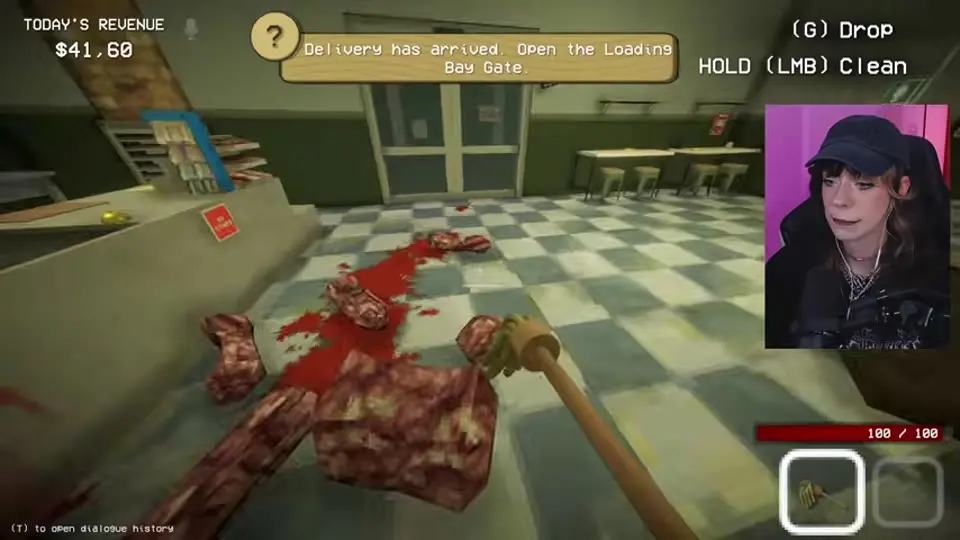
The same mop, bag, and dumpster routine from opening cleanup applies after an encounter.
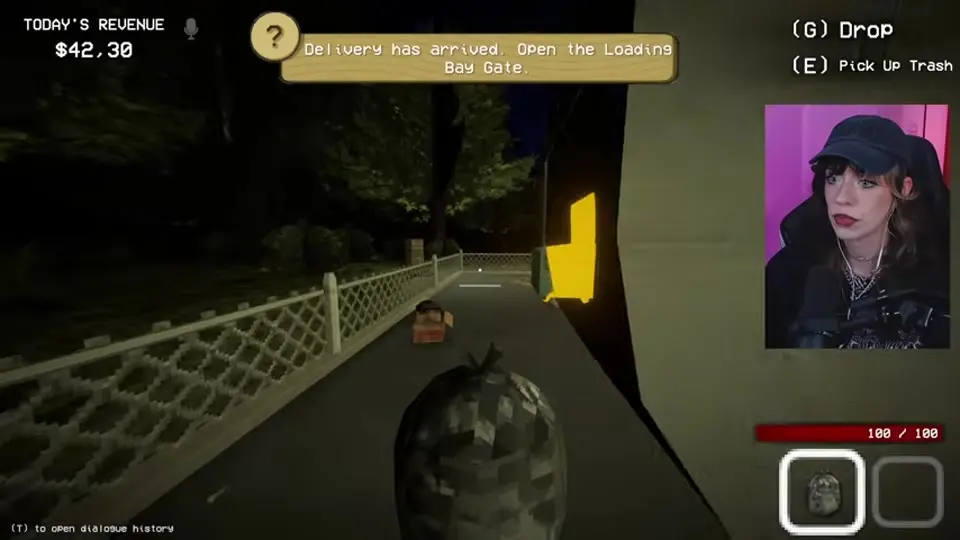
The cleanup is not complete until the filled bag reaches the dumpster.
4. Protect the quota without rushing evidence
Revenue comes from completed customer transactions, while shelf gaps and unfinished messes create avoidable pressure. Use quiet seconds to restock and clean, but stop the floor task when a customer presents an ID. Never let a short queue convince you to skip the database or question step.
At closing, the objective changes to cleaning remaining messes and heading to the bus. Finish the last floor pass, then leave. The results screen reports whether any humans were killed, whether the quota was met, and the shift's earnings. Treat no humans killed as the first quality check; revenue never justifies a rushed false positive.
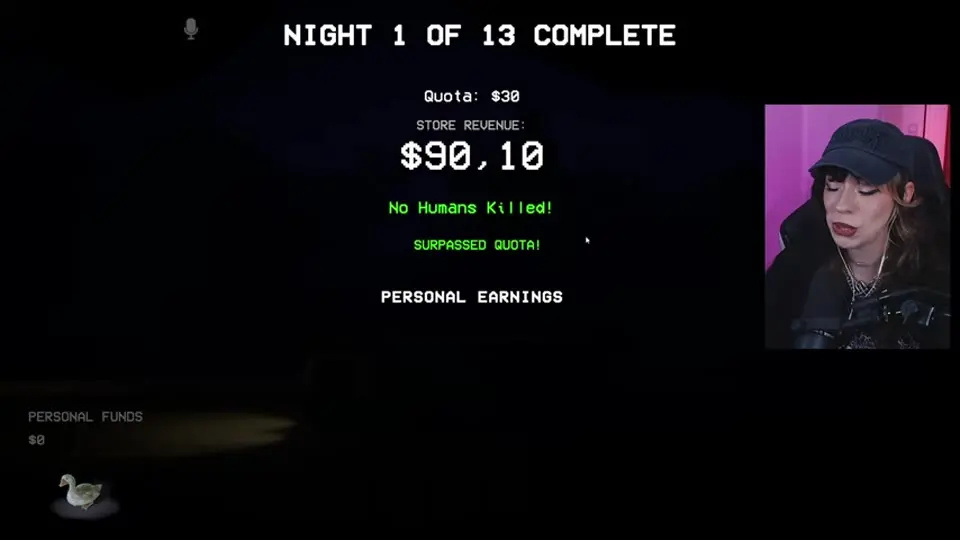
Review the report before continuing so the next shift starts with a corrected evidence routine.
5. Switch immediately to defense after a mistake or alert
Later shifts can punish an escaped doppelganger with an active entity alert. When the warning begins, routine stocking and cleanup are no longer the priority. Read the entity-specific message, then execute the preparation the game calls for: board vulnerable doors, place traps on a route you can observe, collect the available weapon, and identify cover or a hiding route before the timer expires.
Barricade first
Carry boards to the marked door positions and hold the board input until the barricade completes. Do not wait at the counter for the entity to enter; the preparation timer is the safe window for closing routes.
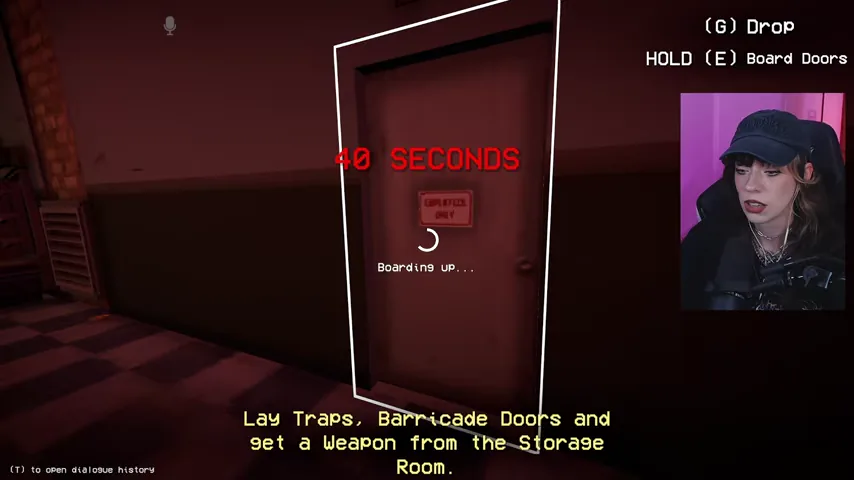
Close the easiest entry routes before spending time on weapon placement.
Put traps where the threat must cross
Place traps on a doorway or another controlled lane, not directly under your own escape path. Leave yourself enough room to back away, observe whether the trap triggers, and reach cover. Trap placement supports the fight; it does not replace the warning's entity-specific rule.
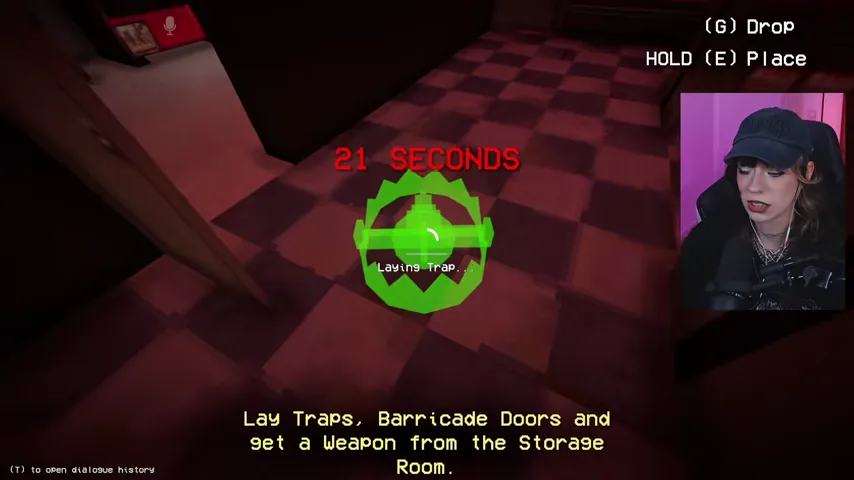
A controlled lane is safer than scattering traps through the area where you need to move.
Fight only in the correct damage window
Take the supplied gun or other instructed weapon from storage, keep a retreat path open, and follow the current warning before firing. Different entities can have different movement, visibility, hiding, or vulnerability rules. Do not generalize one monster's solution to every attack.
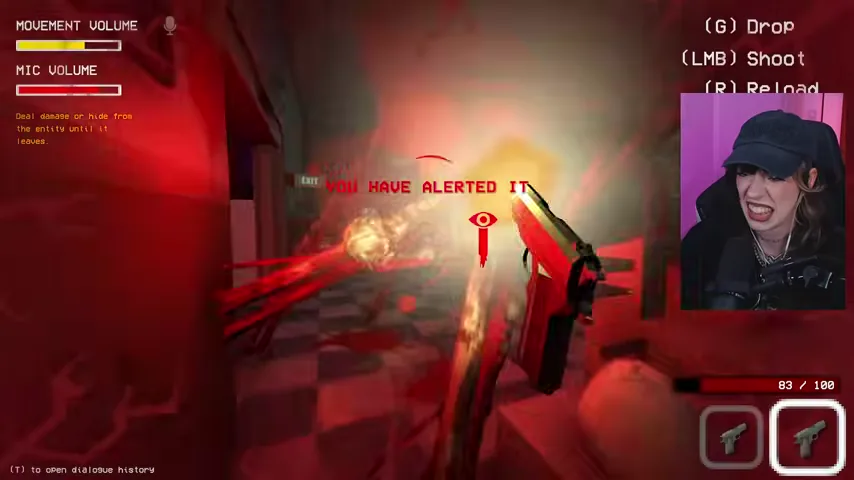
Preparation creates the safe damage opportunity; firing blindly before the setup wastes time and ammunition.
6. Solo and co-op workflows
Solo: use a strict loop
Solo play is supported, but every task competes for one player's attention. Use this loop:
- Do the entire opening cleanup before serving anyone.
- Keep the counter tools in fixed positions.
- Finish one customer's complete evidence chain before touching a shelf task.
- Clean or restock only after the transaction ends and the approach is clear.
- Stage delivered boards, traps, and weapons together so an alert does not require a search.
- Pause and reread the visible evidence whenever you cannot state the exact contradiction.
Two players: counter and floor/security
- Counter lead: handles ID, database, questions, transaction, and final decision.
- Floor/security lead: stocks, cleans, watches the customer and vehicle area, reads new alerts, and stages defenses.
The floor player should report observations in neutral language—for example, "the profile says plumber" or "the glasses note says often"—instead of calling a customer fake before the counter check is complete.
Three players: split the interruption load
The game supports online co-op for up to three players. With a full group, use three clear roles:
- Counter lead: owns the verified evidence chain and makes the final call.
- Floor lead: maintains shelves and cleanliness and watches for theft or visible anomalies.
- Security lead: checks outside or vehicle clues when a shift requires them, reads warnings, and prepares boards, traps, weapons, and escape routes.
Call each piece of evidence in the same order. If two observations conflict, stop the transaction and reopen the database rather than deciding by vote.
7. Common beginner mistakes and recovery
| Mistake | Why it fails | Recovery |
|---|---|---|
| Shooting because someone is rude, nervous, or visually odd | Behavior alone is not a verified contradiction | Reopen the record and state the mismatched field before acting |
| Treating an "often wears" trait as mandatory | Optional wording allows the item to be absent | Ask about the trait and compare the explanation with the full profile |
| Accepting an ID that will not scan | The person has not been matched to verified data | Search the complete name manually and inspect the returned status |
| Scanning the ID and skipping the database | A card can point to a real person while the holder still conflicts with that person | Read every available database field after every scan |
| Letting the queue rush the interview | A missed occupation, date, or nightly-news conflict can release a threat | Finish the current evidence chain; make up store work afterward |
| Leaving remains or a filled bag inside | Cleanup stays incomplete and the floor becomes harder to manage | Repeat mop → bag every piece → dumpster before the next safe transaction |
| Spending the attack timer on stocking | Routine revenue work does not stop an incoming entity | Drop the store task and switch to warning → barricades → traps → weapon → cover |
| Copying one entity strategy onto another | Later threats have different rules and vulnerability windows | Read the current alert and follow only the instructions for that entity |
| Splitting co-op decisions without one final caller | Evidence can be duplicated, skipped, or contradicted | Assign one counter lead; teammates relay facts in a fixed order |
Ready-for-the-next-shift checklist
Before you leave the results screen, confirm that you can answer yes to each item:
- I read the current shift's board, news, messages, and equipment instructions.
- I completed the opening cleanup and shelf pass.
- I used ID → database → appearance → interview → shift clue → decision for every customer.
- I did not treat attitude or an optional trait as automatic guilt.
- I manually searched any ID that failed to scan.
- I cleaned blood, remains, and filled bags completely.
- I know where the delivered boards, traps, weapons, and cover are.
- I reviewed human kills, quota, and earnings on the results screen.
That routine is the real beginner skill. Customer order and some clues can change, but a complete evidence chain, disciplined store loop, and immediate defense switch remain dependable across the full game.
Keep going