

Read the shift board, finish urgent store work, and verify every customer in one fixed order: ID, N.E.T. database, visible traits, interview, nightly intelligence, and any special tool. Complete the sale only when the evidence agrees; when an entity warning appears, stop store work and use the countdown to barricade, trap, arm, and follow that entity's exact survival rule.
Shift At Midnight is built from three systems that keep interrupting one another: operate the store, prove who is human, and survive what happens when an entity gets through. The safest way to play is not to rush any one system. Build a fixed routine, then know exactly when an investigation or emergency should take priority over revenue work.
The full shift loop
Every shift follows the same broad route even when the customers and events change:
- Enter, collect any useful tokens, and read the current notice board, newspaper, computer messages, and equipment notes.
- Complete urgent opening duties such as cleaning, bagging remains, restocking, or pest control.
- Prepare the counter and stage deliveries or defensive equipment where they can be reached quickly.
- Investigate each customer or fuel-stop driver before approving the transaction.
- Use quiet gaps to clean, refill shelves, receive deliveries, and protect the store quota.
- If an entity alert appears, abandon routine work and complete the survival setup before the countdown ends.
- When the shift closes, clear remaining messes, leave by the instructed route, and read the results before continuing.
Start with facts, not memory
Read the board before touching a shelf or speaking to the first customer. The visible board is the fact source for this run. Later shifts can add a newspaper, N.E.T. warning, telephone call, vehicle note, or special-tool instruction, and some of those details are randomized.
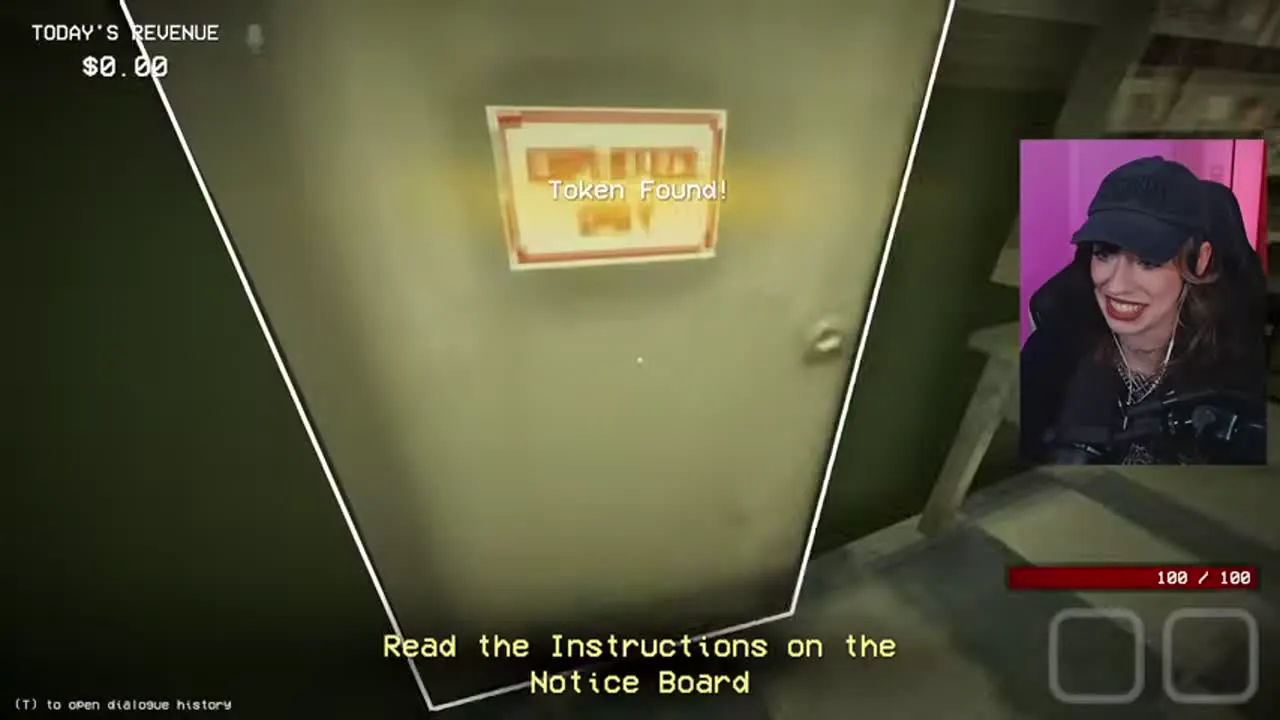
A remembered headline or objective from another run cannot replace the notice visible in the current shift.
Run the store before it runs you
Store duties look simple, but unfinished work creates pressure at the exact moment a difficult customer arrives. Clear the opening jobs first, then maintain the floor only in safe gaps between investigations.
Clean every marked mess
Use the mop on blood or other cleanable patches until the objective or payment indicator updates. A nearly invisible remainder can keep the job active. After a confirmed entity is removed, repeat the same cleanup cycle before the next customer arrives.
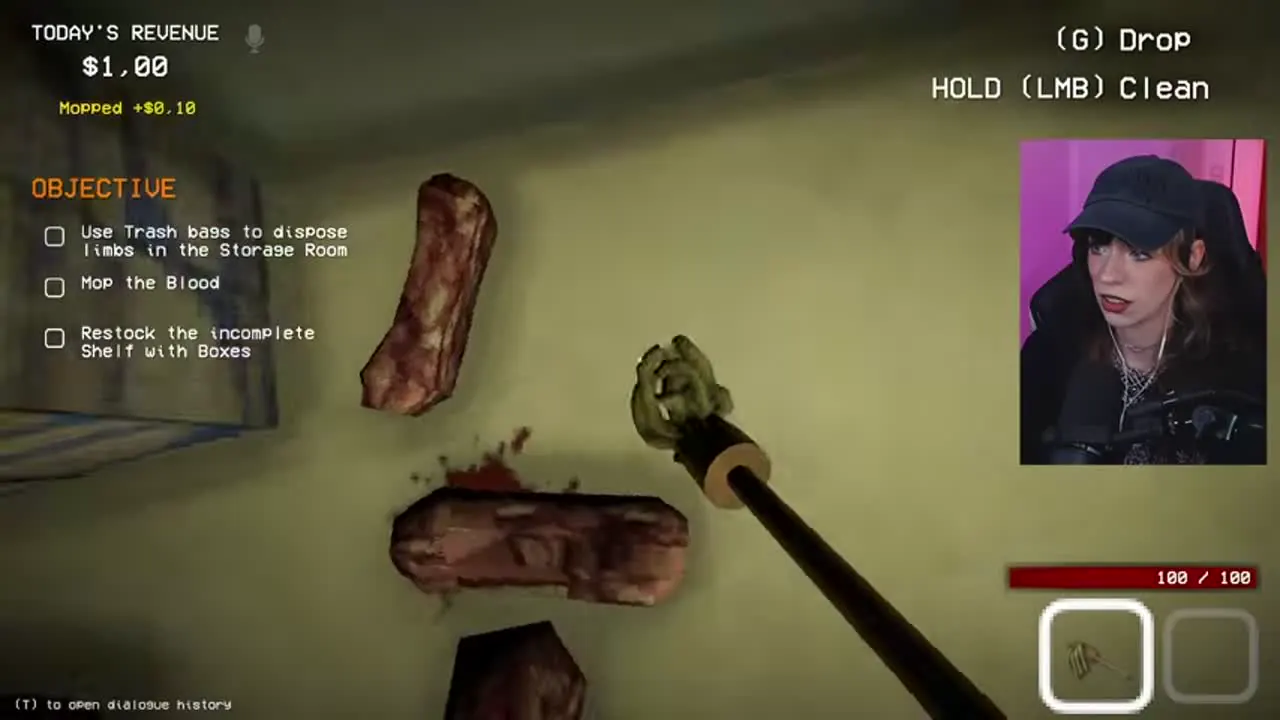
Use the task update as proof that a patch is finished instead of judging from a distance.
Bag remains and complete the outside trip
Collect body parts or trash with the appropriate bag, then carry the filled bag to the outside disposal point. Picking up the pieces is only half the job; a filled bag left in storage does not complete the route.
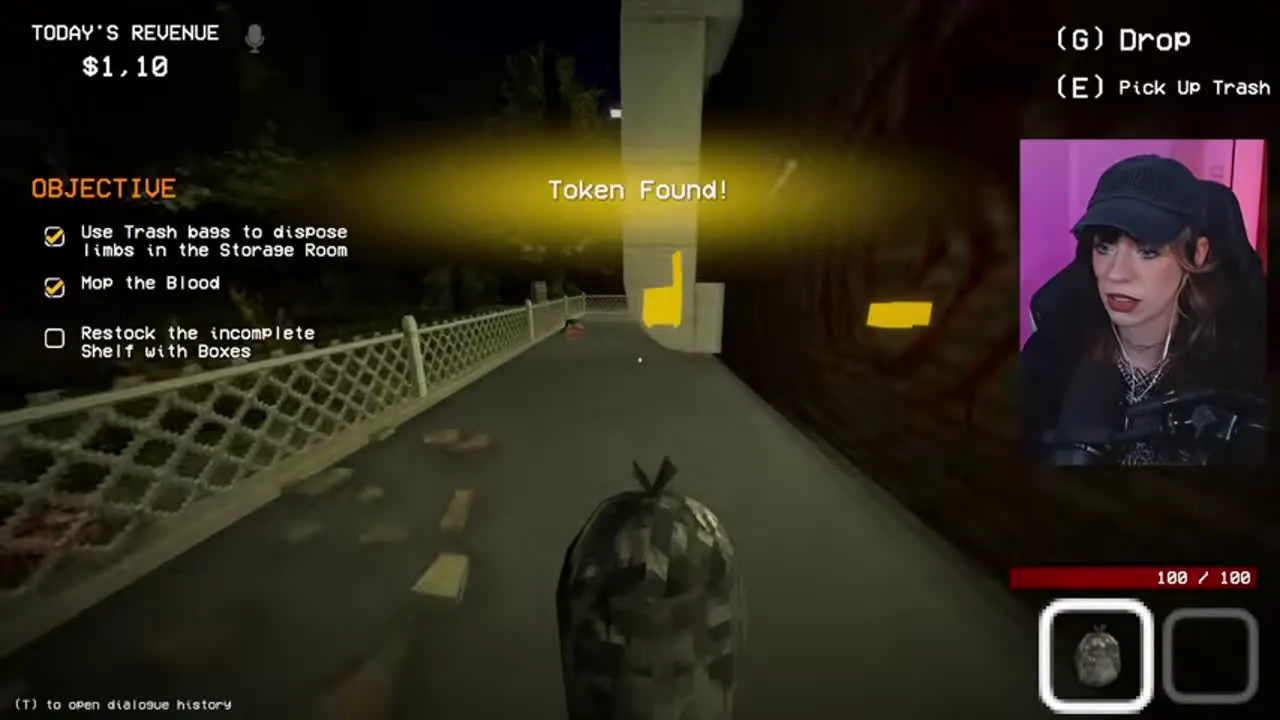
Keep one player aware of the entrance in co-op while the floor player finishes an outside disposal run.
Restock visible gaps
Carry a stock box to the correct shelf and place products into every missing slot. Stocking contributes to store revenue and keeps later customers moving, but it is lower priority than a person waiting for an identity decision. Finish the opening refill, then make short shelf passes only when the counter is clear.
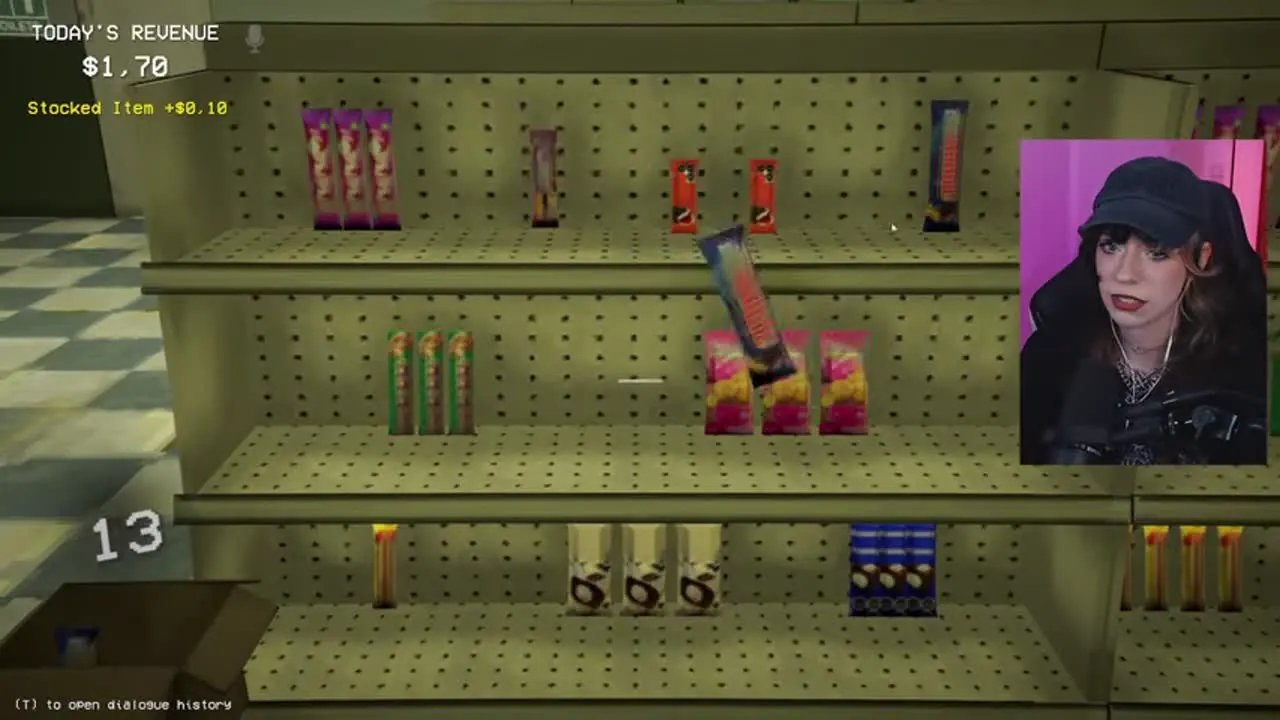
Drop a half-finished stock job when a customer needs verification; the box can wait, the evidence chain should not be rushed.
Receive and stage deliveries
When the delivery alert appears, open the rear receiving area and move the boxes inside. Deliveries can support normal stocking or provide equipment needed for a later emergency. Group related supplies together rather than scattering boxes through the store.
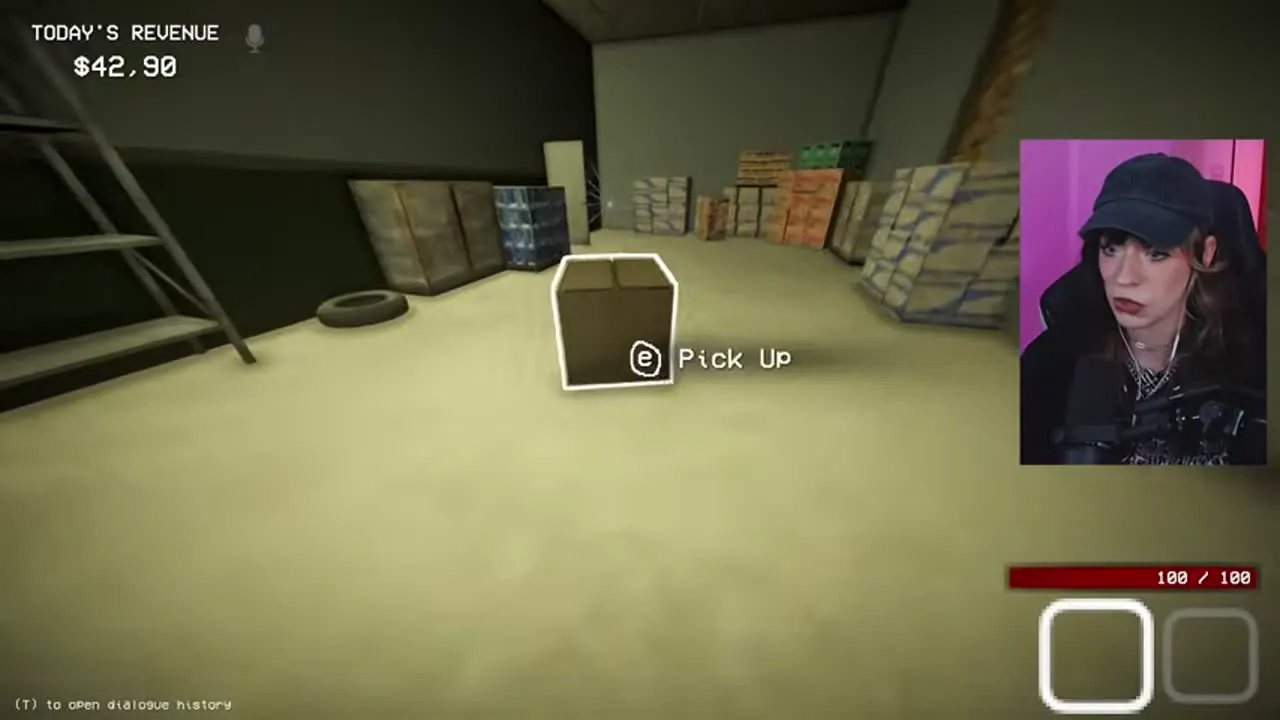
A predictable staging area saves more time than carrying each item to a different corner while the shift is active.
Checkout is also an investigation
A customer placing products on the register is not permission to finish the sale. The counter is where the economic loop and the identity loop meet: the transaction earns revenue, but approving the wrong person can create a much larger survival problem.
Scan the ID before approving the basket
Place the ID on the counter scanner. A successful scan identifies the record to inspect; it does not certify the holder as human. If the card does not scan, manually search the complete name instead of skipping the database step.
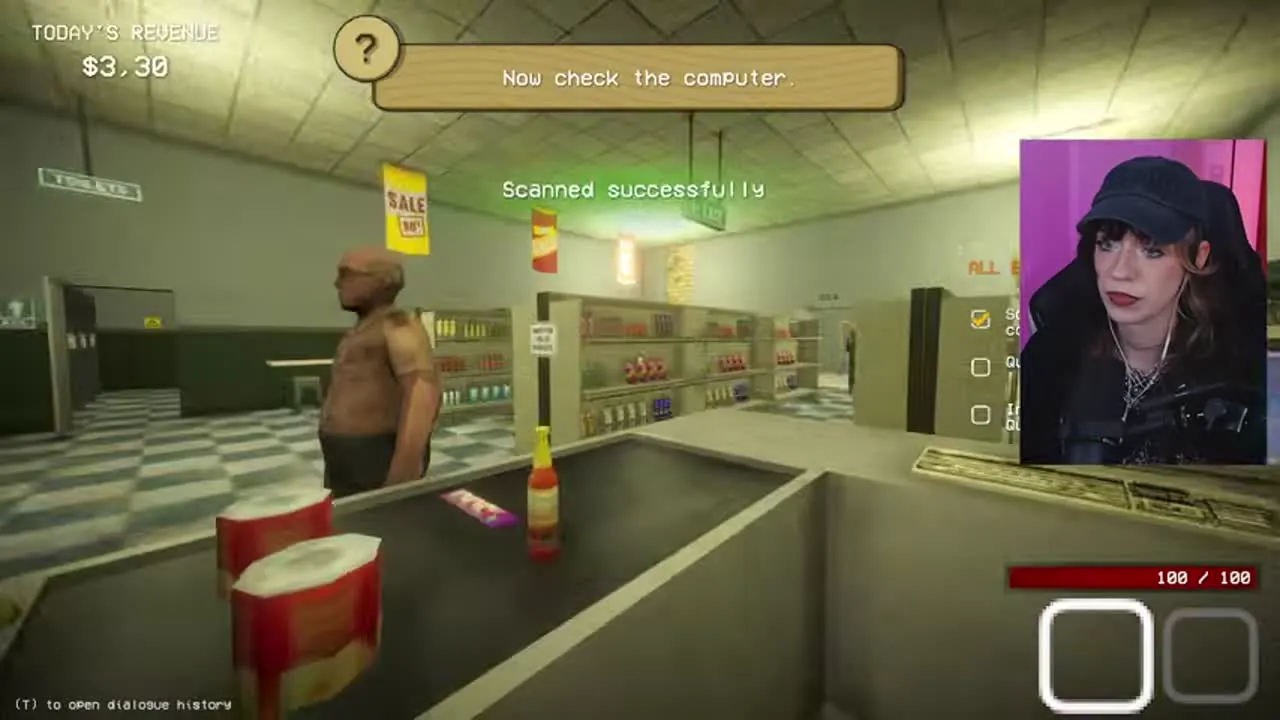
Keep the products, ID, scanner, customer, and computer in one working area so no part of the comparison is forgotten.
Treat the N.E.T. database as the verified baseline
Open the exact profile and read every available field. Check the alive/dead status, portrait, date of birth, occupation, address, and listed physical or behavioral notes. A doppelganger can carry an ID belonging to a real person, so the card and the holder still need to agree with the record.
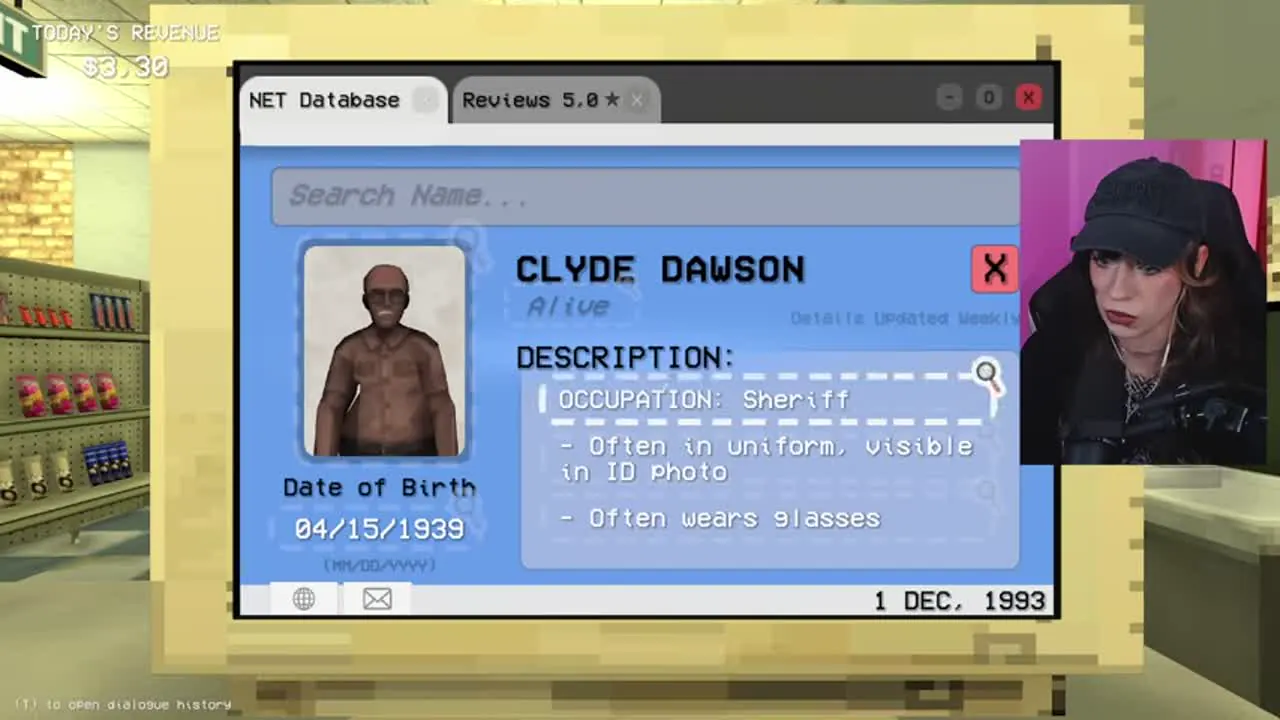
In co-op, read the fields aloud in the same order every time. The routine makes a missing date or occupation mismatch easier to catch.
Compare appearance, then interview the mismatch
Look at the customer and compare visible features with the portrait and description. Ask about occupation, clothing, age, physical marks, relationships, or another unlocked topic when something does not line up. Wording matters: a profile saying someone often wears glasses is different from saying the item is always present.
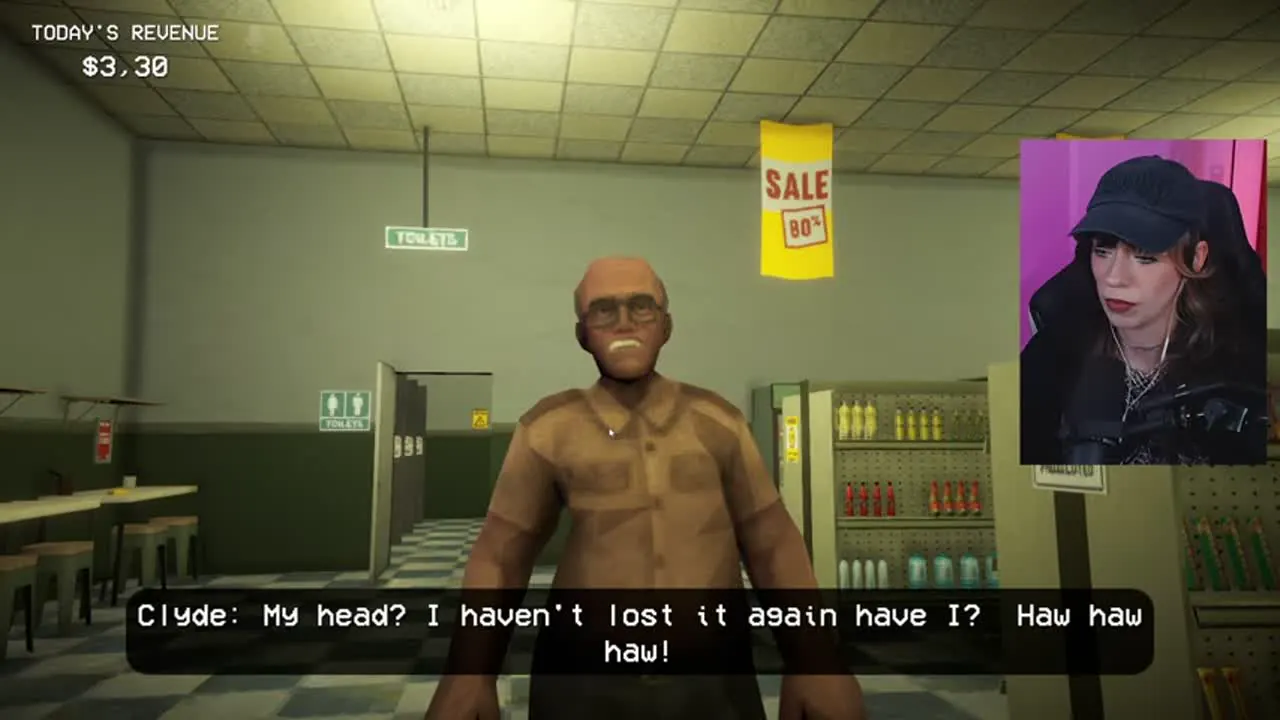
An awkward answer invites another check; a reproducible contradiction is stronger than personality, impatience, or an unusual face.
Build one evidence chain for every decision
Use this order at the counter, outside at a vehicle, and during later tool-assisted checks:
- Identity: scan the ID or search the exact name.
- Verified record: read every available database field.
- Visual match: compare the portrait, body, clothes, scars, and other listed traits.
- Interview: ask about the specific field that needs an explanation.
- Nightly intelligence: apply the current newspaper, N.E.T. warning, call, relationship fact, or local event.
- Special tool: use the shift's detector without discarding the earlier evidence.
- Final action: complete the sale only when the chain agrees; act against a threat only when the contradiction is clear.
Add the current night's news
Nightly news can turn an ordinary statement into testable evidence. Read the whole item before opening, then compare relevant travel, workplace, location, family, or event claims against it. Do not reuse the headline from a previous run because another run can present a different story.
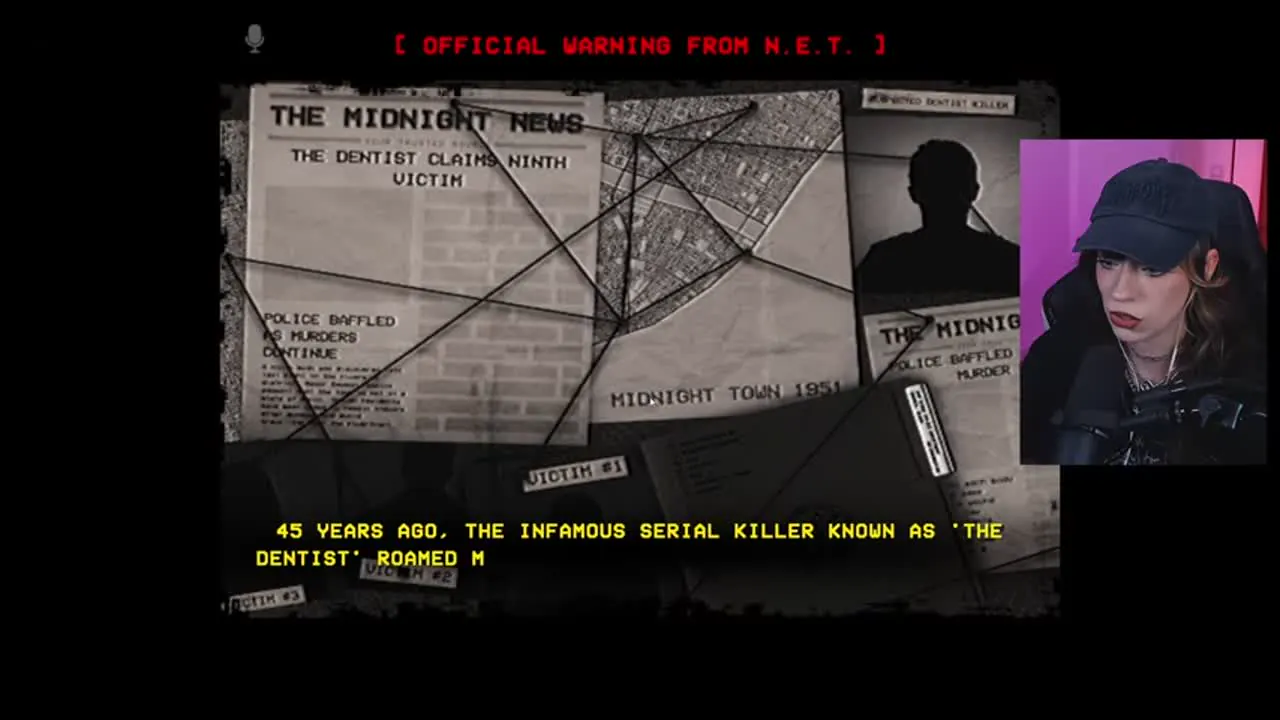
Nightly information is both investigation evidence and a survival manual; read it before the queue becomes distracting.
Verify the vehicle separately from the driver
Fuel-stop customers add a second object to investigate. Ask how the driver needs help, use the flashlight to inspect the car for suspicious items or impossible details, and look up the license plate on the nearby device. Compare plate, color, model, condition, modifications, and the driver's explanation before pumping fuel.
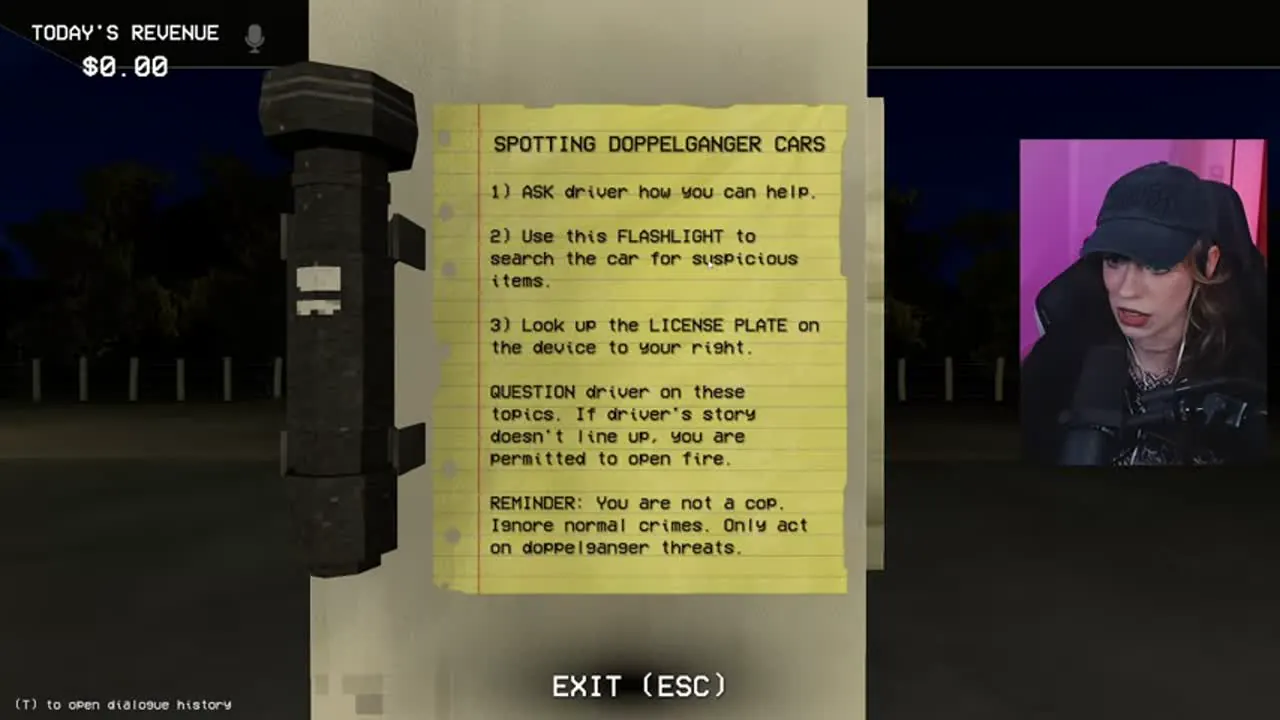
The game explicitly separates ordinary crime from doppelganger evidence. A normal infraction is not automatic permission to attack.
Use the EmotiScope as supporting evidence
The EmotiScope reads a customer's current emotion and unlocks a matching question. Its displayed reading is accurate, but the instruction warns that some doppelgangers can reproduce human emotions. An impossible reading is powerful evidence; a normal reading does not clear the person by itself.
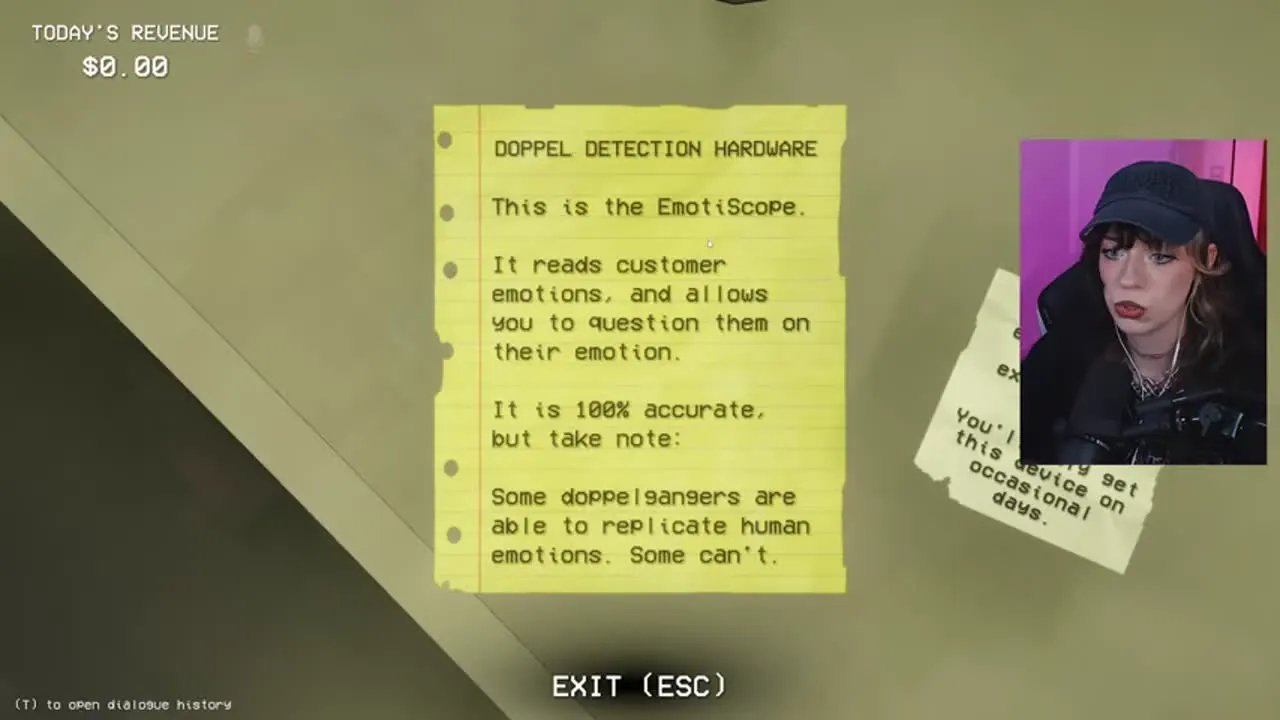
Run the normal ID, record, appearance, and interview checks even when the emotion looks believable.
Briefly scan everyone with the Anomaly Lens
The permanent Anomaly Lens compares its screen with direct reality. If the display reveals a difference or anomaly that is not present to the naked eye, the note identifies the customer as a doppelganger. Use a brief scan on every customer after the normal record check so the lens strengthens rather than replaces the evidence chain.
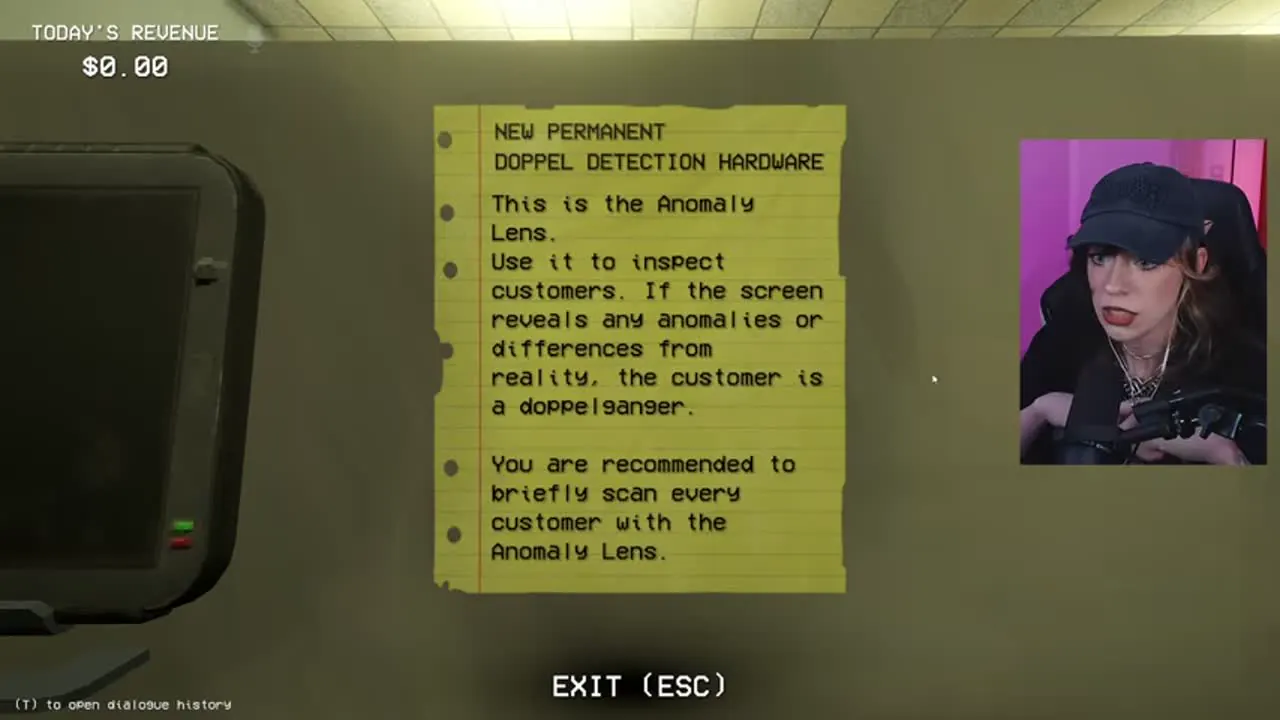
A stable sequence prevents a new tool from making earlier evidence feel optional.
Protect revenue without sacrificing accuracy
Completed transactions, stocked shelves, cleaning work, and other store duties feed the night's revenue. The closing report compares that revenue with the quota and also reports whether a human was killed. That makes the real performance target two-part: meet the quota without turning uncertainty into a false positive.
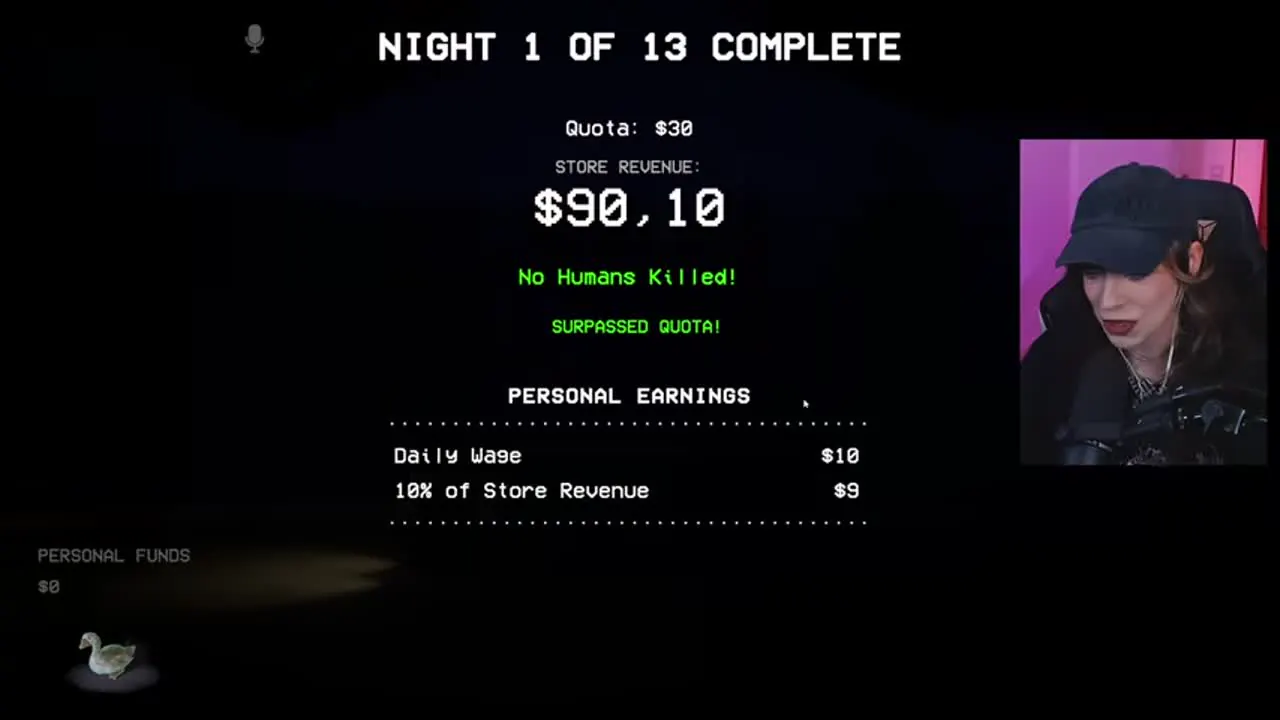
Revenue can be recovered with better floor discipline; a rushed human kill means the evidence process failed.
Use these priorities when the store becomes busy:
| Situation | First priority | Work that can wait |
|---|---|---|
| Opening and no customers | Required cleaning and initial shelf fill | Optional rearranging |
| Customer at the counter | Complete identity chain and transaction | Mop, delivery sorting, noncritical stock |
| Driver at the pump | Check both driver and vehicle | Indoor shelf work |
| Quiet gap | Clean, restock, receive, and stage equipment | Re-reading already confirmed records |
| Entity countdown | Survival instructions and defense setup | Every routine store task |
| Closing prompt | Remaining required cleanup, then the instructed exit | Unnecessary lingering |
Switch from clerk to survivor
If an entity was released—or a story event starts an attack—the screen changes, a warning appears, and the preparation timer becomes the only important clock. Stop serving, stocking, and cleaning. Read the current entity rule before assuming that the previous fight's solution will work again.
Barricade complete doors
Carry boards to vulnerable entrances and hold the interaction until the barricade visibly completes. Starting several doors without finishing any of them wastes the countdown. Close a usable route first, then move to the next defense.
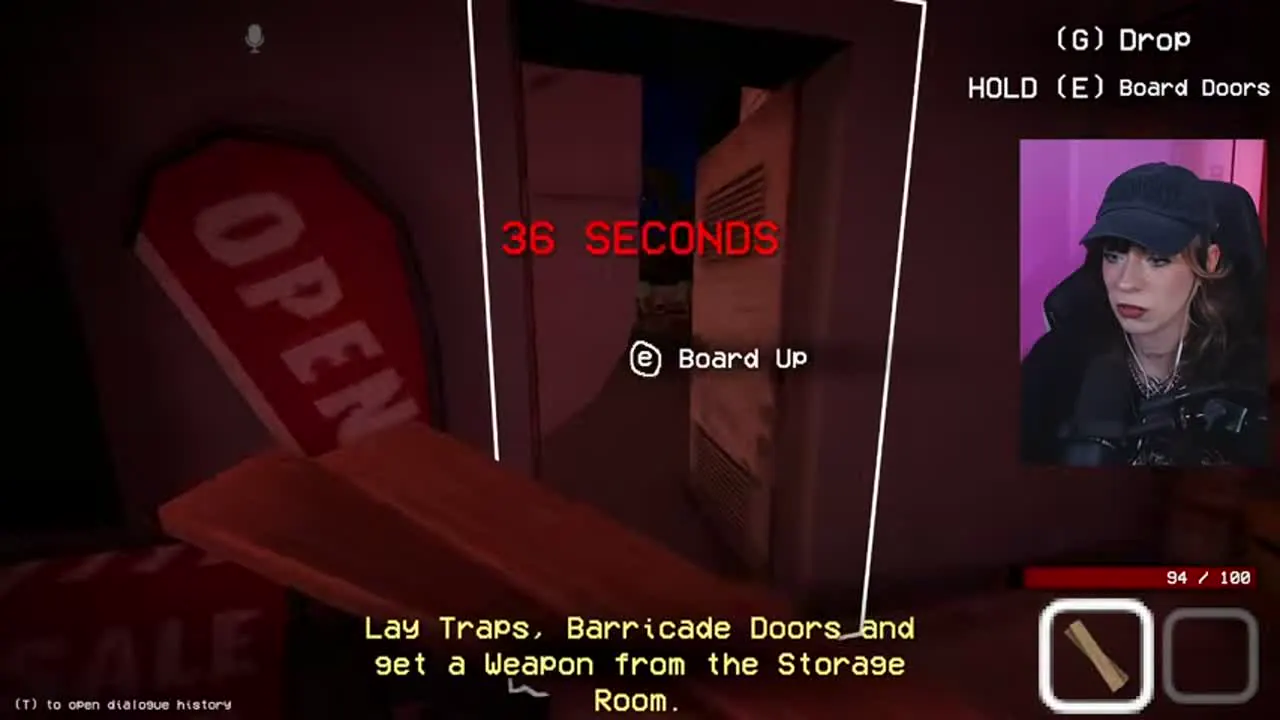
Confirm that the boards are fixed to the door before spending the remaining seconds elsewhere.
Place traps on a controlled approach
Put traps where the entity must cross, such as just inside an expected entrance or along a lane visible from cover. Do not block your own retreat. A trap should create a predictable damage or escape opportunity, not become another hazard scattered around the room.
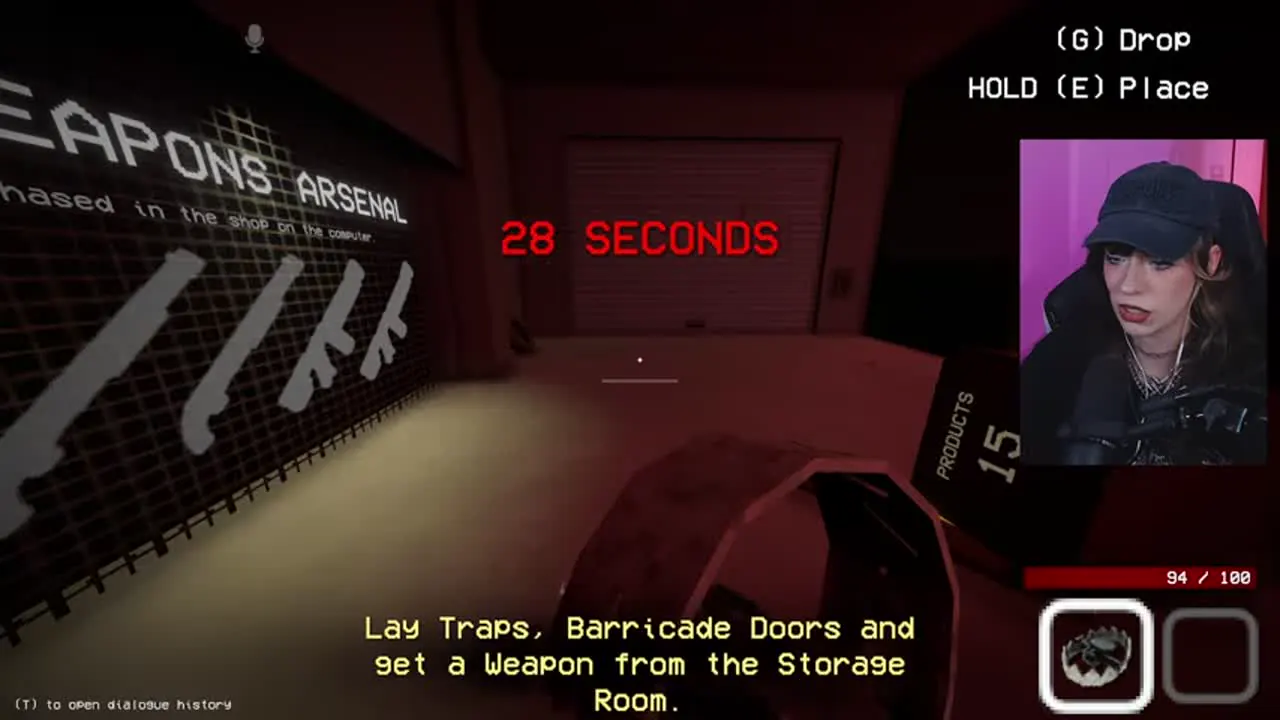
Leave enough space to back away, confirm the trigger, and reach the next piece of cover.
Use the countdown to arm and hide when instructed
Collect the available weapon, ammunition, healing, or throwable after the critical routes are prepared. Some attacks explicitly delay access to the arsenal and tell you to lay traps and hide. Obey that message instead of waiting in the open beside a locked weapon rack.
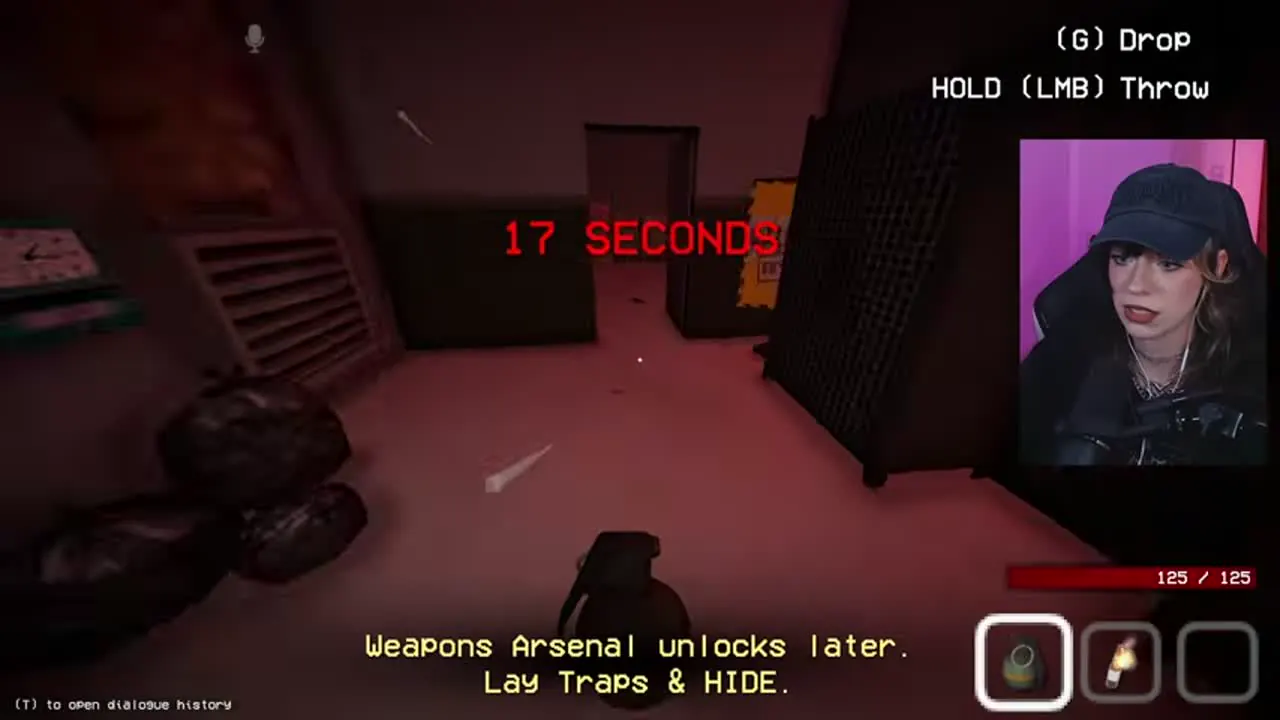
A hiding instruction belongs to that entity and phase; it is not a universal rule for every threat.
Attack only in the correct vulnerability window
Entity rules can invert one another. One warning may require running without looking back; another creature may hear movement but not see; the tall shadow freezes while watched yet cannot be damaged in that frozen state. Read tonight's instruction, trigger the planned trap or vulnerability, then use the correct weapon while keeping a retreat route open.
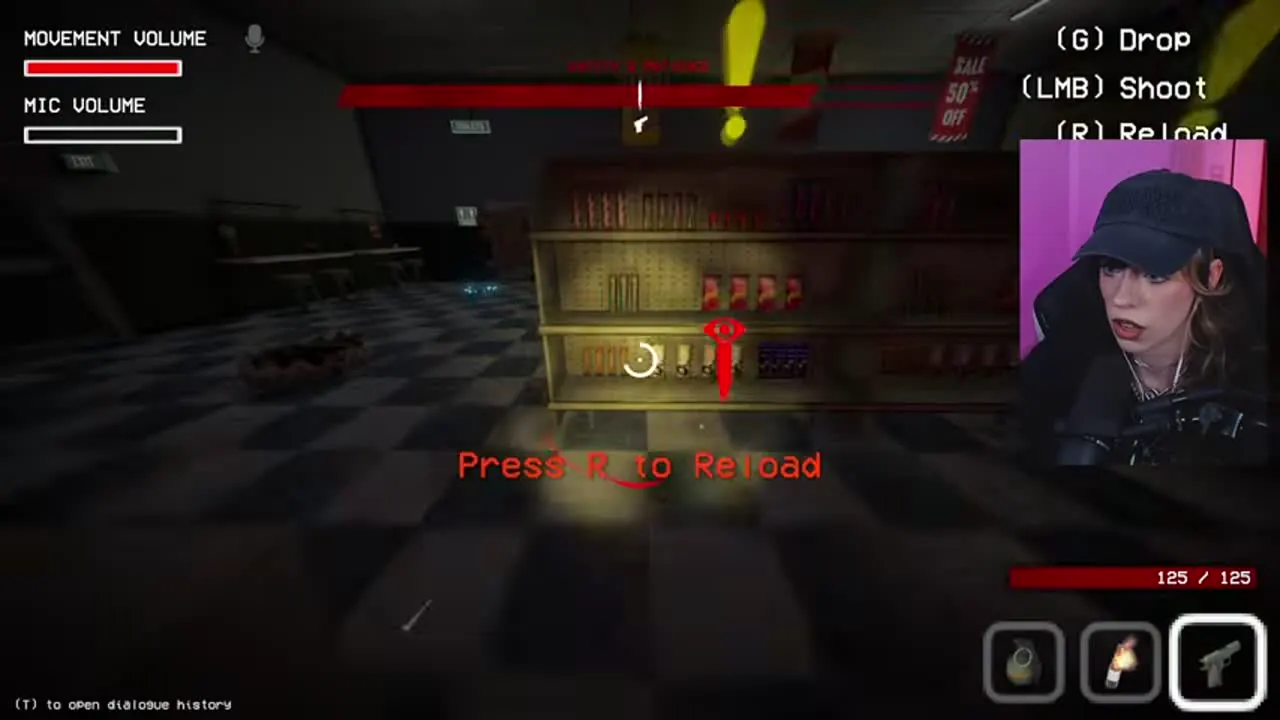
Do not spend ammunition merely because the target is visible; visibility and vulnerability are not always the same thing.
Story Mode, progression, and randomization
Story Mode spans 13 shifts. The campaign layers new responsibilities onto the original store-and-database tutorial: nightly intelligence, pests and thieves, vehicle service, relationship clues, rented or permanent detection hardware, tougher store objectives, and different entity attacks.
The sequence teaches stable systems, but the exact run is not a script. Expect some combination of the following to change:
- customer identities and order;
- whether a profile or ID is easy to verify;
- the current newspaper or local fact;
- store interruptions and maintenance tasks;
- which suspicious traits require questions;
- the moment routine work collides with a warning.
The reliable part is your method. Read the current facts, execute the same evidence order, and treat a video's named customer as an example rather than a permanent verdict.
Solo and co-op role plans
Solo: finish one loop before starting another
Single-player is manageable when tools stay in fixed locations and tasks are not mixed together:
- Complete the full opening checklist before serving.
- Finish one customer's evidence chain before returning to the floor.
- Keep bags, mop, stock, and counter tools where they can be found without searching.
- Stage boards, traps, and weapons together as soon as they arrive.
- Pause on any decision you cannot explain as one exact contradiction.
Two players: counter plus floor/security
- Counter lead: owns the ID, database, interview, checkout, and final decision.
- Floor/security lead: cleans, stocks, receives deliveries, checks outside tasks and vehicles, reads warnings, and stages defenses.
The second player reports neutral facts—"the profile says plumber" or "the note says often wears glasses"—instead of announcing a verdict before the counter lead completes the chain.
Three players: counter, floor, and security
Online co-op supports up to three players, so a full team can separate interruption-heavy jobs:
- Counter lead: verifies the person and owns the final accept/reject call.
- Floor lead: maintains shelves and cleanliness, watches theft or pests, and keeps the register area workable.
- Security lead: checks vehicles and outside routes, reads new intelligence, stages deliveries, and prepares barricades, traps, weapons, and cover.
Use a fixed voice order—name, status, occupation, age, portrait, traits, nightly fact, tool result, decision. When two reports conflict, stop the transaction and reopen the record rather than settling the question by a quick vote.
Common gameplay mistakes
| Mistake | What goes wrong | Better rule |
|---|---|---|
| Finishing the basket after only scanning the ID | The holder may still conflict with the real record | Scan, open the record, compare, interview, then approve |
| Shooting an odd or rude customer | Personality is mistaken for verified evidence | State the exact contradiction before acting |
| Treating an optional trait as mandatory | Words such as "often" allow exceptions | Ask about it and check the rest of the profile |
| Copying a headline from a guide or previous run | The current shift may use another fact | Read the board and news every shift |
| Ignoring the car after checking the driver | The vehicle can contain the decisive mismatch | Inspect, look up the plate, and question the driver |
| Letting a normal emotion clear the customer | Some entities imitate human emotion | Keep the complete evidence order |
| Stocking during the attack timer | Routine revenue work consumes the defense window | Drop the box and switch to barricade, trap, arm, cover |
| Reusing one monster strategy | Entity sight, sound, movement, and damage rules differ | Follow the current N.E.T. warning exactly |
| Giving every co-op player equal final authority | Checks are duplicated or skipped under pressure | Assign one counter lead and relay facts in order |
Shift-ready checklist
Before opening the counter, confirm:
- the current task board, news, messages, and tool notes have been read;
- urgent cleanup and the first shelf pass are complete;
- the ID scanner, database, and interview area are clear;
- deliveries have a predictable staging location;
- the team knows who owns the final decision;
- boards, traps, weapons, and hiding routes can be found quickly;
- everyone understands that the current entity warning overrides a remembered strategy.
That discipline is the complete gameplay loop: keep the store functional, turn every suspicion into a checked fact, and switch decisively from business to survival when the warning begins.
Keep going